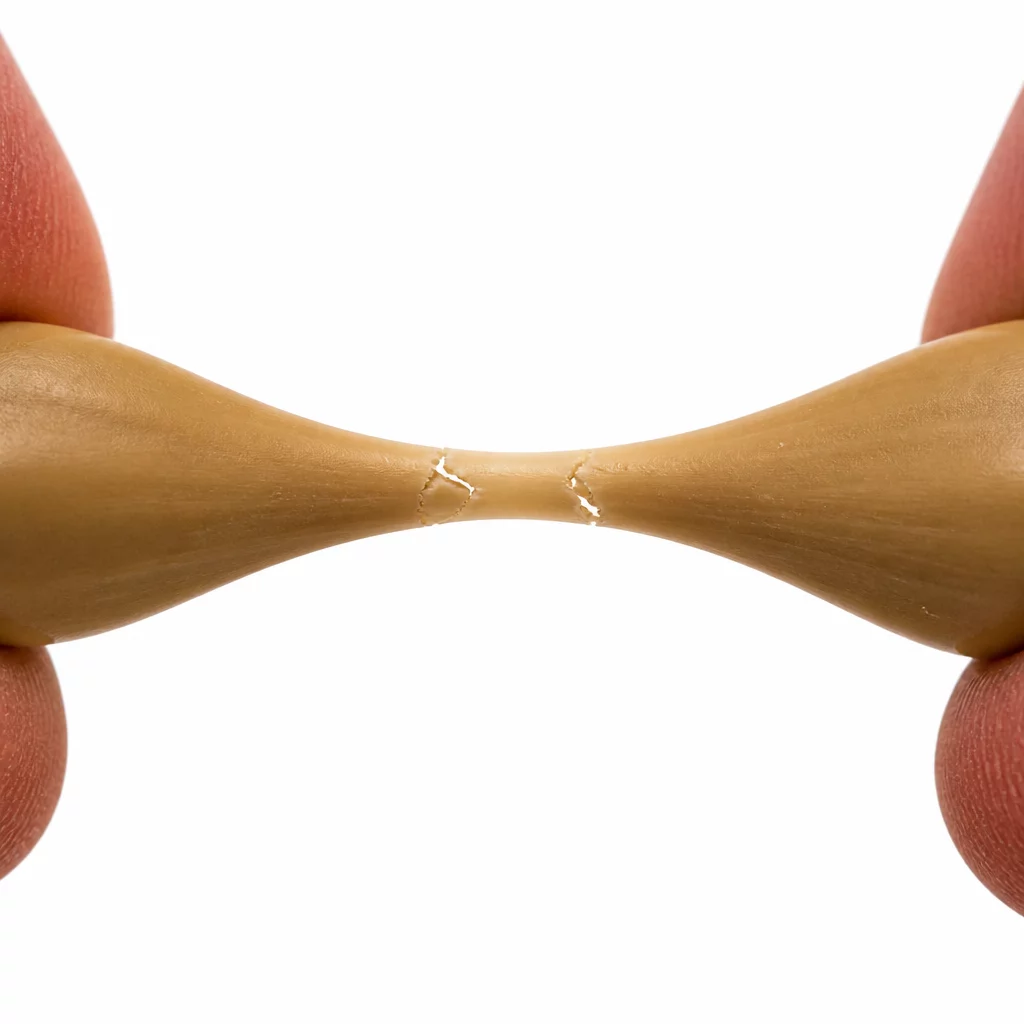
In the high-stakes environment of academic publishing, researchers often face immense pressure to present groundbreaking results. This drive can lead to the pitfall of overextended conclusions—claims that transcend what the collected data actually supports. While these leaps might make a study appear more impactful, they create a fragile foundation that risks collapsing under rigorous peer scrutiny or replication attempts.
The Anatomy of a Logical Leap
Overextension typically occurs when a study finds a specific correlation but presents it as an absolute causation. For example, a localized study involving fifty university students might show a preference for a specific learning method. An overextended conclusion would state that this method is the superior way for all humans to learn, ignoring demographic, cultural, and environmental variables. These logical leaps aren't always intentional; they often stem from a lack of skepticism toward one's own successful outcomes and a desire to provide a clean narrative.
Source Strength Self-Diagnostic
Verify that conclusions in your sources stay within the boundaries of their evidence. Check each safeguard that is present.
To maintain integrity, it is essential to distinguish between proven facts and suggested possibilities. When you cite a source, you are essentially adopting its boundaries. If the original source uses qualifying language like "suggests" or "indicates," turning those into definitive "will" or "must" statements in your own work is a violation of evidentiary rigor. Every conclusion must be mirrored by a specific data point; otherwise, the entire research structure loses its reliability and contributes to the growing issue of non-reproducibility in modern science.
Evidentiary FAQ
-
Why is conclusion overreach so common?
The "publish or perish" culture rewards dramatic results, leading many to stretch findings to appear more revolutionary than the data allows.
-
How can I spot overextension in other papers?
Check the methodology section. If the population is narrow but the conclusion is universal, you are likely looking at overextended results.
Discussion & Comments
No comments yet. Be the first to leave an analytical feedback on this methodology guide.
Add a Comment